American Psycho Business Card: Why Everyone Obsesses Over It (and How to Recreate the Look Without Looking Like a Try‑Hard)

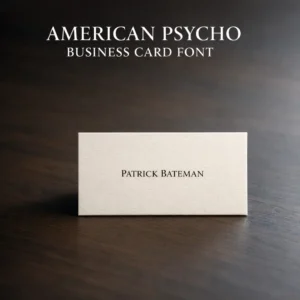
If you’ve ever watched that famous office scene and thought, “Why are grown adults having a meltdown over a piece of cardstock?” — you’re not alone. The american psycho business card isn’t just a movie prop. It’s a tiny masterclass in how paper, spacing, and “nothingness” can turn into a status symbol.
And here’s the funny part: the cards look almost identical… which is the whole point. That’s why people keep searching for the american psycho business card — not only to copy it, but to understand what makes it feel so “expensive” and intimidating.
In this post, I’m going to break it all down in plain words:
- what the card actually looks like up close
- what details most recreations get wrong
- how to print your own version (movie‑accurate or modern‑usable)
- real-life tips so it works as a business card, not just a meme
Table of Contents
Quick “feel test”: what makes the american psycho business card look so elite?

When people describe the card, they focus on three things:
- Off‑white paper (not bright white)
- Tight, clean typography (mostly small caps)
- Thickness + texture (it should feel like it costs money)
That’s the entire magic. It’s minimal, but it’s tactile. And humans are wired to judge quality with their hands before their brains even catch up.
The hidden secret: it’s a design flex and a satire
The cards are basically a “who’s winning?” scoreboard for people who all dress the same, work the same, and say the same things. One tiny difference in paper tone or font becomes a full-blown ego crisis.
That’s why the scene still lands: it’s not really about cards — it’s about insecurity dressed up as sophistication.
The card details people miss (and why your replica might feel “off”)

Most guides repeat the same surface-level points. Here’s what usually gets skipped — and what actually matters.
1) The “watermark” line is basically a myth (in practice)
In the scene, the card is praised for having a watermark… but typography and prop breakdowns note there’s no real evidence of a watermark on the actual prop.
Real-life takeaway:
If you add a watermark because you heard that line, you might be adding a feature the card never truly had.
What to do instead (looks premium, way easier):
- Use cotton paper with a natural texture.
- Add a blind deboss (a press with no ink) as a “secret detail.”
- Or add a subtle pattern on the back that feels like a watermark vibe, without pretending it’s one.
If you do want a real watermark, know what you’re asking for: a true paper watermark is made during papermaking using processes like a dandy roll or cylinder mould. It’s not the same as printing a faint logo.
2) The printing impression is part of the flex
A lot of recreations look flat because they’re printed like normal cards. But the prop cards are often described as having a noticeable impression — the kind you can see when light hits the surface.
Here’s the nerdy (but useful) part: traditional letterpress “should” be a light “kiss” impression, but modern buyers often want a deeper bite because it screams “not cheap.”
Real-life tip:
If you’re recreating the vibe, ask your printer for:
- letterpress deboss (visible indentation)
- or emboss/deboss (if letterpress isn’t available)
- or at minimum, a heavy uncoated stock with crisp black ink
3) The typography is not just “a serif font”
People argue about the exact font because the look is close to multiple classics.
Common recreations use Garamond-style fonts (and some prop recreations use Garamond Classico Small Caps).
But typography sleuths have also pointed out the card may match Sabon Bold with oldstyle figures (the numerals are the giveaway).
What you should do (simple and practical):
- If you want an easy match: EB Garamond (free + looks close)
- If you want a more “typography nerd” match: Sabon (paid, classic, very on-brand)
- If you’re recreating Paul Allen’s vibe: Copperplate Gothic (more on that below)
4) The spacing is the real “luxury”
This is the part people feel but can’t explain.
The cards rely on:
- tight letter spacing (tracking)
- small caps
- a layout that feels like it’s placed on an invisible grid
- lots of calm white space
Also: several analyses point out tiny layout “mistakes” on the prop cards (slightly off-center text, missing space in the company name, and even a shared typo on multiple cards).
Real-life tip:
If you’re making a card for your actual job, don’t copy the mistakes. Copy the discipline:
- consistent margins
- consistent alignment
- no clutter
Design breakdown: how to build your own american psycho business card look

I’m going to give you two versions:
- Movie‑accurate prop vibe (for collectors, gifts, fun)
- Modern‑usable version (same aesthetic, actually works today)
Step 1: Pick paper the right way (this is 60% of the vibe)
What you want:
- Off‑white / bone / ivory tone
- Uncoated surface (not glossy)
- Thick enough that it doesn’t bend like a flyer
- Bonus: cotton paper feels “soft but serious”
Cotton papers are popular for letterpress, embossing, engraving, and more because they handle pressure well and feel premium.
Simple shopping trick (my favorite):
Before you print 250 cards, order a paper sample pack or ask your printer for swatches. Hold the paper under:
- warm indoor light
- daylight
- your phone flashlight
If it looks “white-white” in all three, it’s probably too bright.
Step 2: Choose the printing method (what your hands will notice)
Here’s the easy guide:
If you want the true movie vibe:
- Letterpress (deboss)
It gives that pressed-in look people associate with expensive stationery.
If you want a clean modern version that’s still premium:
- Digital print on heavy uncoated stock + sharp black ink
Then upgrade later if you love it.
If you want a “quiet flex” detail:
- Blind deboss logo on back
- Or embossed name (subtle, not puffy)
Step 3: Typography settings that make it look “right”
Use this as a starting point (you can tweak):
- All caps + small caps style
- Font size: keep it modest (don’t shout)
- Tracking/letter spacing: slightly tighter than normal (but readable)
- Line spacing: give each line breathing room
- Color: pure black or very dark charcoal (avoid gray that looks washed)
Pro tip:
Print a test sheet on your home printer first. Cut it out. Put it next to a normal business card. The differences will jump out fast.
Step 4: Layout (copy the structure, not necessarily the exact content)
A classic “movie-style” layout uses four zones:
- Top left: phone
- Top right: company name
- Center: your name + title
- Bottom: address + secondary contact info
But here’s the modern twist I recommend:
Front (pure minimalist):
- Name
- Title
- Company
Back (practical):
- Website
- QR code to your contact card or portfolio
- Optional: a tiny tagline
This keeps the front “tasteful,” but makes the card usable when someone actually wants to contact you.
Business cards are still used because they’re a simple ritual and a fast first impression — and newer versions often add QR codes on the back to connect physical networking with digital follow-up.
How to talk to a printer
Here’s exactly what I’d send to a printer so you don’t get confused answers:
Print Request:
- Size: standard business card size
- Paper: thick uncoated off‑white stock (cotton preferred)
- Ink: 1 color, black
- Finish: letterpress deboss (visible impression)
- Proof: request a digital proof + 1 physical proof if possible
- File: print-ready PDF with outlines, correct margins, and safe area
If they ask “deep impression or kiss impression?” you now know what that means:
- Kiss = minimal indentation (traditional)
- Deep = obvious indentation (modern “luxury” look)
Real-life tips: how to use a minimalist card without being awkward

A card like this can feel intense. Here’s how to make it normal and smooth:
1) Don’t “perform” the movie scene
If you hand someone a thick, off‑white card and stare at them waiting for a reaction… it’s going to be weird.
Instead, say something simple like:
- “Here’s my card — I keep it super clean so it’s easy to read.”
- “If you scan the back, it pulls up my portfolio.”
2) Carry it in a case
Thick uncoated cards pick up dirt and bent corners faster than you think. A slim card case keeps them crisp and makes you look put together.
3) Let the card match your vibe
If you’re in a creative field, a minimal card can be powerful because it feels confident. But if your work depends on quick info (like bookings), put the practical stuff on the back.
Common mistakes that ruin the american psycho business card vibe
If you want the look, avoid these:
- Bright white glossy stock (instantly looks cheap)
- Too many icons (phone/mail/social icons kill the minimalist mood)
- Thin paper (it should not feel like a coupon)
- Loose spacing (it starts looking like a Word document)
- Using a “random fancy font” instead of a classic, calm typeface
- Forgetting margins (text too close to the edge screams DIY)
Helpful outer links (for deeper nerding out)
- Art of the Title interview + typography notes (Art of the Title)
- Neenah Cotton papers (why cotton feels premium) (neenahpaper.com)
- What a real paper watermark is (PrintWiki)
- Letterpress impression basics (Letterpress Commons)
- Briar Press discussion on kiss vs deep impression (Briar Press)
Frequently Asked Questions (FAQ)
1) What is the american psycho business card made of?
Most recreations focus on thick, off‑white, uncoated stock, often cotton paper for that soft, premium feel. Cotton paper is commonly used for letterpress and other premium finishes.
2) What font is used on the american psycho business card?
There’s debate. Many recreations use Garamond-style fonts, while typography sleuths also point to Sabon Bold with oldstyle figures. For Paul Allen’s card, Copperplate Gothic is widely identified.
3) Does Paul Allen’s card really have a watermark?
Despite the famous line, prop breakdowns note there’s no evidence of a real watermark on the card shown.
4) What printing method looks closest to the movie?
A letterpress deboss (pressed-in text) gets you closest to the tactile look people remember.
5) Can I make a modern version that still looks like the american psycho business card?
Yes. Keep the front minimal, then put practical items (email, website, QR code) on the back. Business cards are increasingly mixed with digital follow-up like QR codes.
6) What does “bone” or “off‑white” paper actually mean?
It’s a warm white — not yellow, not bright white. It looks softer and more “expensive” than ultra-white stock, especially on uncoated paper.
7) What’s the easiest way to get the thickness right?
Ask for “double thick” or request a higher-weight cover stock. Also order a sample pack first so you can feel it before committing.
8) Is it okay to use a movie-inspired card for my real business?
Using the style (minimal layout, classic type, off-white thick stock) is fine. But avoid copying movie names, logos, or exact fictional company details if you’re using it commercially.
{ “@context”: “https://schema.org”, “@type”: “FAQPage”, “mainEntity”: [ { “@type”: “Question”, “name”: “What is the american psycho business card made of?”, “acceptedAnswer”: { “@type”: “Answer”, “text”: “The look is best recreated with thick, off-white, uncoated stock—often cotton paper for a premium feel and better letterpress results.” } }, { “@type”: “Question”, “name”: “What font is used on the american psycho business card?”, “acceptedAnswer”: { “@type”: “Answer”, “text”: “Many recreations use Garamond-style fonts, while some typography analysis points to Sabon Bold for Bateman’s card. Paul Allen’s card is commonly identified as Copperplate Gothic.” } }, { “@type”: “Question”, “name”: “Does Paul Allen’s card really have a watermark?”, “acceptedAnswer”: { “@type”: “Answer”, “text”: “Despite the famous line, prop and typography breakdowns often note there is no clear evidence of a real paper watermark on the card shown.” } }, { “@type”: “Question”, “name”: “What printing method looks closest to the movie?”, “acceptedAnswer”: { “@type”: “Answer”, “text”: “Letterpress deboss (pressed-in text) most closely matches the tactile, high-status look people associate with the scene.” } }, { “@type”: “Question”, “name”: “Can I make a modern version of the american psycho business card style?”, “acceptedAnswer”: { “@type”: “Answer”, “text”: “Yes. Keep the front minimalist, then add practical contact details on the back (email, website, QR code to a digital contact card) so it works in real networking.” } }, { “@type”: “Question”, “name”: “What’s the easiest way to get the thickness right?”, “acceptedAnswer”: { “@type”: “Answer”, “text”: “Ask your printer for a thick uncoated cover stock (or a ‘double thick’ option) and request paper samples first so you can feel the difference.” } } ] }
{ “@context”: “https://schema.org”, “@type”: “BlogPosting”, “headline”: “american psycho business card: Why It’s Iconic (and How to Recreate the Look Without Looking Try-Hard)”, “description”: “A detailed, easy guide to the american psycho business card aesthetic—paper choice, typography, printing methods, real-life tips, modern upgrades, image ideas, and FAQs.”, “author”: { “@type”: “Person”, “name”: “Your Name” }, “publisher”: { “@type”: “Organization”, “name”: “Your Blog Name” }, “mainEntityOfPage”: { “@type”: “WebPage”, “@id”: “https://yourwebsite.com/american-psycho-business-card/” }, “image”: [ “https://yourwebsite.com/images/american-psycho-business-card-mockup.jpg”, “https://yourwebsite.com/images/american-psycho-business-card-paper-texture.jpg” ], “keywords”: [ “american psycho business card”, “patrick bateman business card”, “paul allen business card”, “letterpress business cards”, “off white business card”, “small caps typography”, “business card watermark” ], “articleSection”: [ “Design Breakdown”, “Printing Guide”, “Typography”, “Paper Selection”, “FAQ” ] }