
Profeta Center for Innovation and Entrepreneurship: The real, practical guide (space, programs, and how to use it)

If you’re looking up profeta center for innovation and entrepreneurship, you’re not just searching for a desk. You’re searching for momentum—a place where you can work, meet the right people, and turn an idea into something real.
Let me explain this in simple, everyday terms.
profeta center for innovation and entrepreneurship is a startup-focused workspace in Newark at 211 Warren Street, connected to NJIT and the wider VentureLink ecosystem.
That connection matters because it usually means more than “nice chairs and free coffee.” It means programs, mentors, events, and a pipeline of students, researchers, and entrepreneurs around you.
And if you use it the right way, it can save you months of confusion.
Quick facts you should know (before you visit)
- Location: 211 Warren Street, Newark (University Heights area).
- The coworking floor is commonly listed as about 10,000 sq ft, with flex and dedicated seating, plus privacy booths and reservable meeting rooms.
- The wider VentureLink setup tied to this site has been described as offering coworking, private offices, and wet lab space—so it can fit freelancers, small teams, and science/tech builders.
- NJII runs entrepreneurship programming (including Venture Studio, incubation, and acceleration) at this location.

What profeta center for innovation and entrepreneurship actually is
A lot of people describe it as “coworking,” and yes—there’s coworking.
But if I’m being honest, calling it “just coworking” is like calling a gym “just a room with weights.”
The bigger idea is this:
It’s a work space + growth space
- Work space: desks, meeting rooms, privacy booths, lounge seating, basic amenities.
- Growth space: programs and support that help founders move from “idea stage” to “launch stage.” VentureLink’s own description talks about helping startups that are pre-revenue and still figuring out product-market fit.
So when you hear profeta center for innovation and entrepreneurship, think:
“A place where I can work today and build something bigger over time.”
Who this place is best for (and who might not need it)
Let’s make this easy.
You’ll love profeta center for innovation and entrepreneurship if you are:
- A freelancer who wants structure and a professional environment
- A remote worker who’s tired of working from the kitchen table
- A founder who needs a “business home base”
- A small team that needs meeting rooms and a clean setup
- A builder who wants proximity to a campus ecosystem (talent, events, mentors)
You might not need it (yet) if:
- You only work one hour a week (a café might be enough)
- You hate being around people and will never use community or programs
- You’re looking for a “silent library” vibe all day (this is more active than that)
Inside the space (what it feels like, and how to use it smart)
Here’s what’s commonly listed—and how it translates into real life.
1) Coworking floor: flex + dedicated seating
The coworking space is described as 10,000 sq ft with flex and dedicated desking.
Real-life tip (what most people miss):
Don’t choose a desk just because it looks nice. Choose it based on your work style:
- If you do deep work: sit away from the lounge
- If you do networking: sit closer to common areas
- If you’re on calls: choose a spot near booths/meeting rooms
2) Privacy booths (quiet calls without stress)
Privacy booths are listed as a feature.
How I’d use them:
- Sales calls
- Interview calls
- Anything investor-related
- Any personal call you don’t want overheard
Small detail, big difference.
3) Meeting rooms you can reserve
Meeting rooms for reservation are also listed.
My favorite “founder use” for meeting rooms:
Not just client meetings—use them for:
- weekly planning (30 minutes, same day/time)
- mock pitches (record yourself once)
- team retros (“what worked / what didn’t”)
That routine alone can level up your business fast.
4) Standing desks and treadmill desks (energy matters)
Standing desks and treadmill desks are listed.
This isn’t a gimmick. When your brain is stuck, movement helps.
Even 10 minutes can reset your focus.
5) Café/lounge vibe in the front
Listings describe a café + lounge feel with couches and café seating.
Networking tip that actually works (not awkward):
Spend 30 minutes in the lounge weekly doing light work (emails, planning). People naturally start short conversations there.

Workspace options (how to choose without wasting money)
Here’s a simple way to pick.
Option A: Day pass (test before committing)
Day passes are commonly offered on booking platforms (pricing can change).
My advice: try two different days:
- one early-week day (busier)
- one later-week day (often calmer)
You’ll get a true feel.
Option B: Flex desk (good for part-time builders)
If you’re still validating your idea or balancing a job, a flex setup can work.
Option C: Dedicated desk (best for consistency)
If you’re serious, routine is everything. A dedicated desk helps you show up even when motivation is low.
Option D: Private office (for teams or heavy calls)
If your day is packed with calls or your team needs privacy, this is the smoothest option.
Option E: Wet lab space (for science/biotech-style work)
The broader Profeta/VentureLink setup is described as offering wet lab space too.
Quick reality check: wet labs usually come with rules and approvals. If you need this, ask direct questions early so you don’t assume it’s instant.
The “bigger” ecosystem: VentureLink + NJII (why this matters)
This is the part most quick listings skip—and it’s where the real value can be.
VentureLink: a hub for early startups
VentureLink describes itself as a community hub for technology companies and specifically mentions supporting startups before legal formation, before revenue, and before product-market fit.
That’s a fancy way of saying:
You don’t need to be “ready.” You just need to be willing to build.
NJII at this location
NJII states that this location hosts staff and programming, and that NJII operates venture studio programming, incubation, and acceleration here (and at another site too).
So you’re not renting space in a bubble. You’re stepping into a startup system.
Programs you can tap into (and what they’re for)
1) Venture Studio (for research-based or IP-driven startups)
NJII describes its Venture Studio as turning breakthrough ideas into startups, grounded in IP, backed by an $11.6M fund, and based at the Profeta Center.
Who this is for (in real terms):
- you’re working on something technical or research-driven
- you need help shaping it into a business
- you want structured support, not random advice
2) Community Entrepreneurship Workshop (for beginners and early-stage founders)
NJII offers a free community entrepreneurship program aimed at aspiring and early-stage entrepreneurs in Newark and surrounding areas.
A program flyer describes 27 hours of instruction on key entrepreneurship topics and mentions post-program mentoring/support for people who complete it.
It also lists topics people actually struggle with, like:
- idea viability
- legal structure (LLC, Inc.)
- market research & competition
- marketing & branding
- managing the company
Why I like this: it’s not fluffy. It covers the basics that decide whether you earn money or stay stuck.
3) Newark Startup Studio / local entrepreneur cohorts (community focus)
Coverage around the Profeta Center talks about graduating multiple cohorts of minority entrepreneurs and supporting dozens of Newark-area businesses.
This matters if you’re looking for:
- support that understands local realities
- mentorship from people who’ve done it
- a community that feels welcoming, not gatekeepy

How to visit profeta center for innovation and entrepreneurship (and what to ask)
Most people tour a coworking space like they’re touring an apartment: “Nice chairs… cool lights… okay.”
Tour it like a founder.
What to do on your visit (simple checklist)
- Walk in, check in, and take one lap of the floor (don’t sit immediately)
- Sit in two zones for 10 minutes each:
- open desk area
- lounge area
- Ask these questions (they save you headaches):
- “What time is it quietest?”
- “How do meeting room reservations work?”
- “Where do people take calls?”
- “Are there events or founder meetups weekly/monthly?”
- Test your real workflow:
- open your laptop
- join one short call
- upload a file
- see if Wi-Fi and noise levels work for you
Getting there (simple transit note)
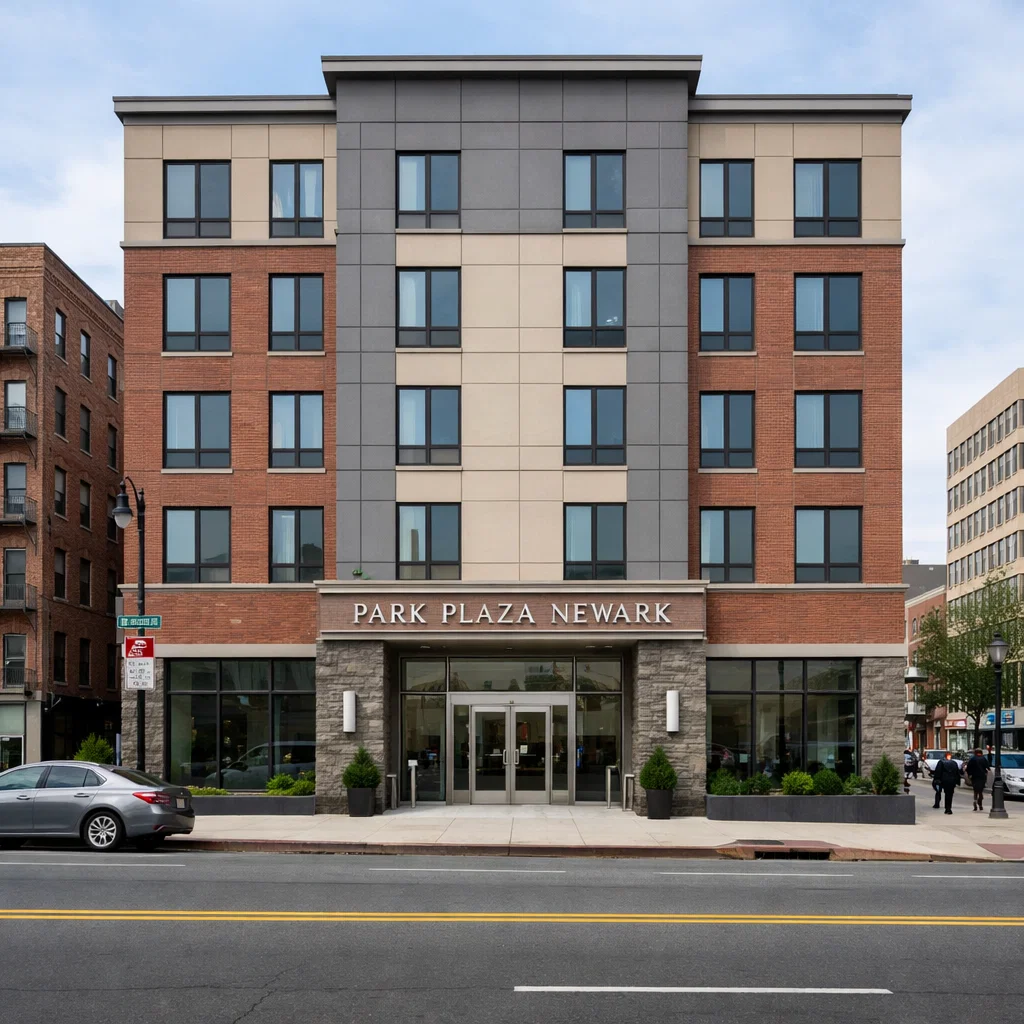
Many listings highlight that you enter at the 211 Warren Street entrance and check in at reception.
The “30-day plan” to get real results here (not just a nice desk)
This is the part that makes your membership worth it.
Week 1: Set your base and stop drifting
- Pick your “default” work block (example: 9am–1pm, three days/week)
- Write your offer in one sentence:
- “I help ___ get ___ without ___.”
- Introduce yourself to 3 people (only 3)
- “Hey, what are you working on?”
- Book one meeting room slot for planning (30 minutes)
Week 2: Validate fast (before you overbuild)
Talk to 10 potential customers. Keep it simple:
- “What’s your biggest headache with ___?”
- “What are you doing about it now?”
- “If it was solved, what would that be worth to you?”
Write answers down. Patterns show up fast.
Week 3: Build the smallest version that can earn trust
- Basic landing page
- Simple pricing or “starting at” range
- One clear call-to-action (book a call / join waitlist)
If you can’t explain it clearly, you can’t sell it.
Week 4: Plug into programs instead of doing it alone
If you’re early-stage, look into the community entrepreneurship workshop (free and structured).
If you’re IP-driven or research-driven, explore Venture Studio pathways.
Real examples of how different people can use profeta center for innovation and entrepreneurship
Example 1: The freelancer turning into an agency
- Uses coworking for focus
- Uses meeting rooms for client calls
- Starts doing weekly “pipeline day” in the lounge (emails, follow-ups)
Result: consistent leads, less chaos
Example 2: The early founder validating an idea
- Day passes for two weeks
- Talks to 10 people in the target market
- Joins a workshop to learn pricing and legal basics
Result: stops guessing, starts building the right thing
Example 3: The technical builder with a research-backed idea
- Uses the ecosystem to connect with talent
- Explores Venture Studio for structured commercialization support
Result: turns “cool tech” into “real business direction”
Common mistakes people make (so you don’t)
Mistake 1: Treating it like a café
If you only come when you “feel like it,” you won’t get the compounding benefits. Routine wins.
Mistake 2: Never booking rooms
Meeting rooms aren’t only for formal meetings. Use them for planning and practice.
Mistake 3: Working alone in a community space
Introduce yourself. You don’t need to become best friends—just create familiarity.
Mistake 4: Joining programs too late
Workshops and structured programs help you avoid expensive beginner mistakes (pricing, structure, marketing basics).
FAQ (people ask these a lot)
1) Where is profeta center for innovation and entrepreneurship located?
It’s located at 211 Warren Street in Newark, and listings note checking in at reception at the 211 Warren Street entrance.
2) Is it only for students?
It’s positioned to support a mix of users (freelancers, remote workers, startups, established businesses), and NJII also runs community entrepreneurship programming tied to this location.
3) Can I try it before committing?
Yes—day pass options are commonly listed on booking platforms (availability/pricing can change).
4) Does it have private spaces for calls?
Listings mention privacy booths and meeting rooms for reservation.
5) Is it only for tech startups?
The broader Profeta/VentureLink description emphasizes helping businesses of many types (“high tech, low tech, no tech”) and offers coworking, offices, and wet labs.
6) What programs exist for beginners?
NJII’s community entrepreneurship program is free and aimed at aspiring/early-stage entrepreneurs, and workshop materials list structured instruction and mentoring support.
7) What if I’m building something research-based?
NJII’s Venture Studio is described as being based at the Profeta Center and focused on building startups grounded in IP.
8) What’s the fastest way to get value in the first month?
Follow a routine, meet a few people weekly, reserve rooms for planning, and join at least one program path (workshop or studio) depending on where you are.
Image suggestions (exact placement)
- After “Quick facts you should know” — exterior sign/entrance
- Under “Inside the space” — coworking floor + lounge seating
- Before “How to visit” — people working / open workspace
- Under “How to visit” — building exterior (wider shot)
- Before “30-day plan” — simple “notebook + laptop” founder lifestyle image
- Inside FAQ (optional) — a simple map-style graphic (not a screenshot) showing “211 Warren Street” pin
Final thoughts
If you want a calm, professional place to work, profeta center for innovation and entrepreneurship can cover that.
But the bigger win is this: it’s tied into an ecosystem where workspace, programs, and entrepreneurship support can stack together—so you’re not building in isolation.
If you walk in with a simple plan (even that 30-day plan), you’ll get way more than “a desk.” You’ll get direction.
Helpful resources (external links)
- NJII location info for Profeta Center (address + programming) (NJII)
- VentureLink overview (startup hub + early-stage support) (Research at NJIT)
- NJII Venture Studio overview (IP-based startup building) (NJII)
- NJII community entrepreneurship program overview (NJII)
- Workshop flyer with curriculum-style topics and instruction hours (NJSL Digital Collections)


