
American Psycho Card Scene: Why This Quiet Office Moment Still Hits Hard
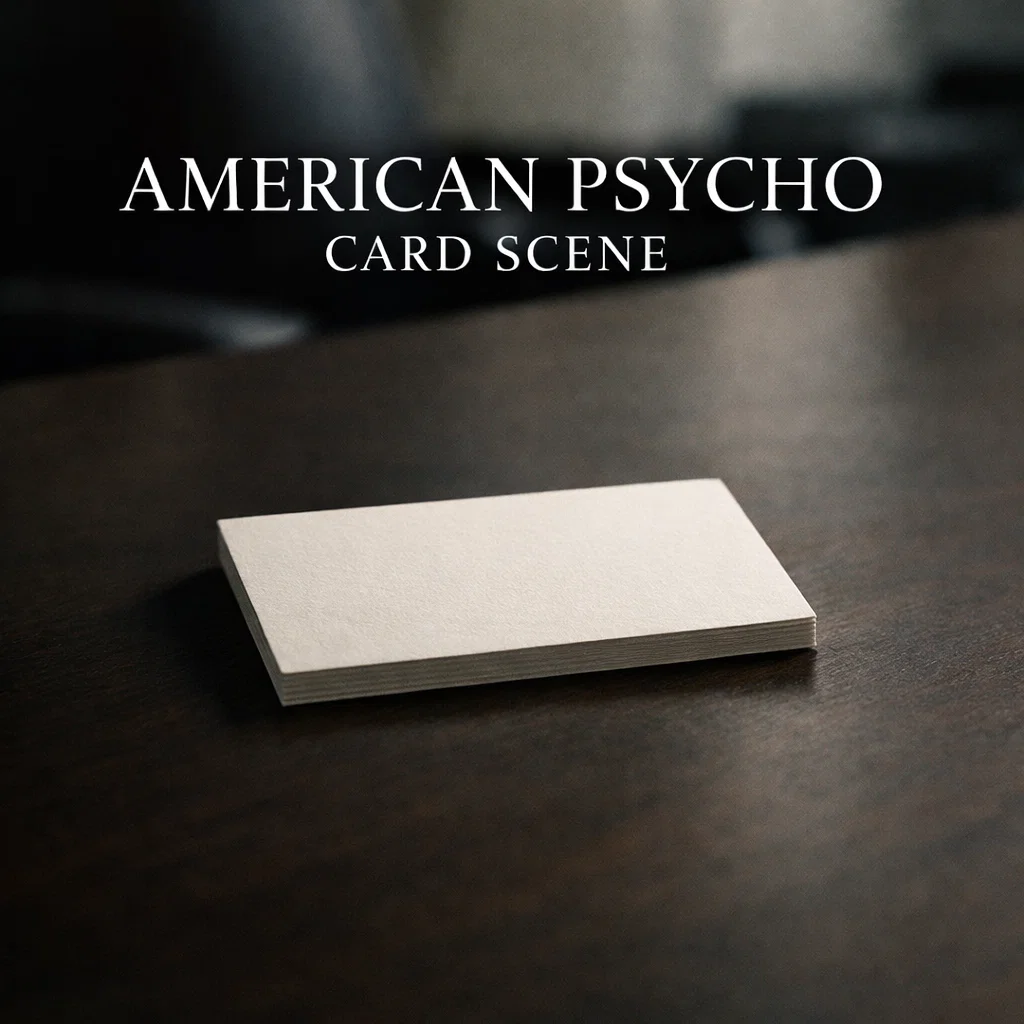
The american psycho card scene looks simple on the surface.
A few coworkers.
A conference room.
Some business cards on a table.
No shouting. No violence. And yet the tension feels so thick you can almost hear it buzzing. People still quote it, meme it, analyze it, and argue about it years later.
That’s because this scene isn’t really about cards.
It’s about how people measure worth when they’re terrified of being ordinary.
Let me explain it the way I’d explain it to a friend—plain words, real examples, no film-school talk.
What happens in the american psycho card scene (without overthinking it)
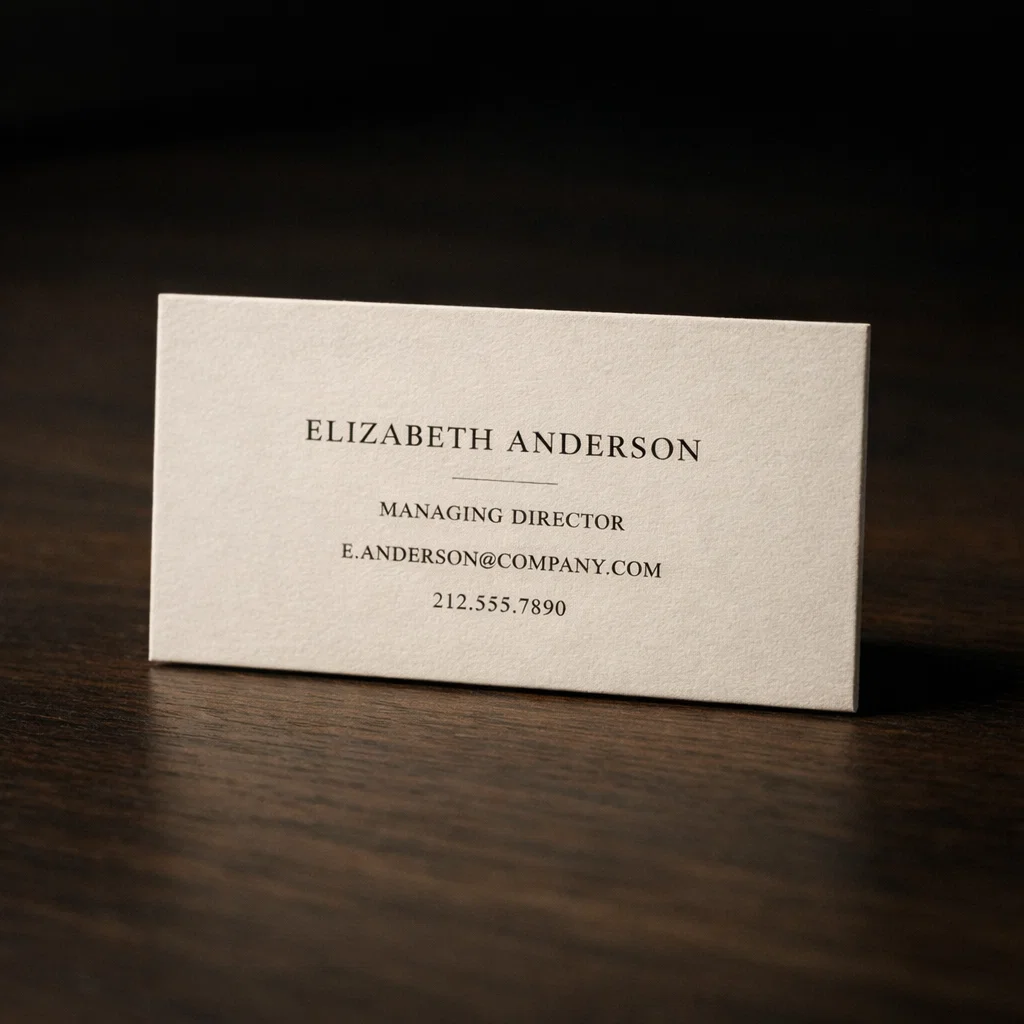
A group of coworkers casually start showing off their business cards. One person goes first. Then another. Each card gets praised like it’s a luxury object—paper color, thickness, type.
The reactions grow more intense with every reveal. Smiles tighten. Compliments get louder. One person starts to unravel internally when someone else’s card is clearly “better.”
To anyone outside that room, the cards look almost identical.
And that’s the point.
Why the american psycho card scene feels uncomfortable instead of funny
On paper, the scene should be comedy. Grown adults obsessing over cardstock sounds ridiculous.
But it doesn’t play as a joke because the emotions are real.
Everyone in that room is afraid of:
- being less successful
- being invisible
- being replaceable
The business card becomes a socially acceptable way to compete without admitting fear.
That’s why the american psycho card scene makes people squirm instead of laugh.
Why business cards were the perfect object (this gets overlooked)

A lot of scene breakdowns talk about fonts and paper, but skip why business cards were chosen at all.
A business card is:
- official
- physical
- small enough to obsess over
- meant to represent you
It’s not just contact info. It’s a tiny symbol of legitimacy.
In the american psycho card scene, the unspoken rule is simple:
If my card is better, I’m better.
That logic is shallow—but it’s believable.
The cards being almost identical is intentional
This is where the scene gets smart.
The cards are nearly the same because the people are nearly the same:
- same jobs
- same suits
- same routines
- same language
When everyone looks alike, tiny differences start carrying huge emotional weight.
That’s why a slightly different shade of white or a subtle design detail becomes devastating.
The american psycho card scene is showing how fragile identity becomes in a world obsessed with surface-level success.
Why the scene feels like a fight without violence
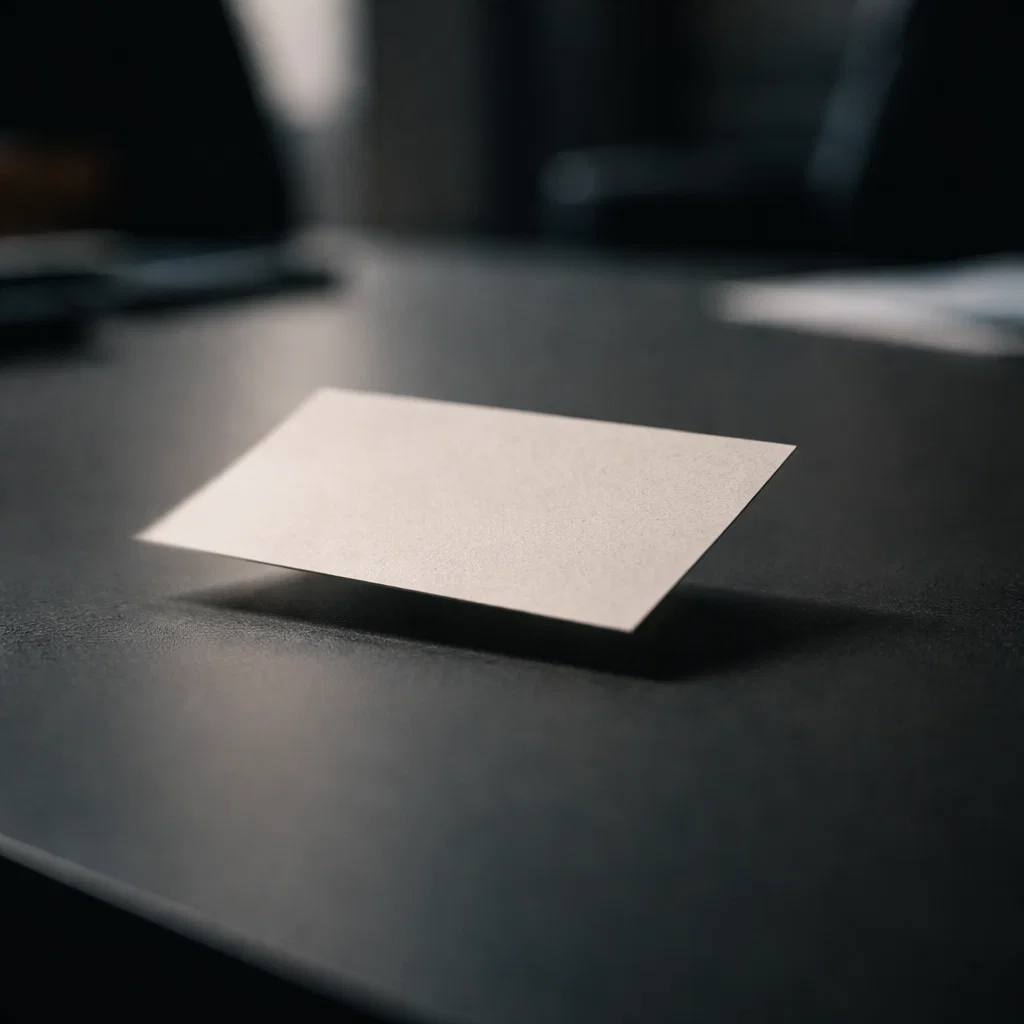
The scene is structured like a duel.
Step 1: The draw
Each card hits the table like a challenge.
Step 2: The inspection
The card is examined slowly, praised publicly, judged privately.
Step 3: The defeat
The final card lands—and one character is emotionally crushed.
No punches needed. The american psycho card scene proves that humiliation can hurt just as much as physical violence.
Sound design: the detail most people never consciously notice
Here’s something many viewers feel but don’t realize.
The sound effects during the card reveals aren’t neutral. They’re sharp. Clean. Almost weapon-like.
Those subtle audio cues turn polite gestures into aggressive ones. It makes a quiet action feel dangerous.
That’s why the american psycho card scene feels tense even if you’re not fully paying attention.
Editing rhythm: why tension builds so fast
The scene doesn’t rush—but it tightens.
- Early reveals feel casual
- Later reveals feel urgent
- Reactions become quicker and heavier
The camera gets closer. The cuts feel sharper. By the end, the emotional pressure is unbearable.
This pacing is why the american psycho card scene escalates without anyone raising their voice.
Performance: calm words, panicked body

What sells the scene isn’t dialogue—it’s body language.
The character who loses control doesn’t yell or argue. He compliments the card. Smiles. Nods.
But his body gives him away:
- stiff posture
- shallow breathing
- visible sweat
- forced calm
That disconnect—polite words, internal chaos—is painfully realistic. It’s how insecurity actually shows up in professional spaces.
Masculinity and competition (without saying it out loud)
Another layer many articles skim over: this scene is about how competition is disguised.
No one says:
- “I’m jealous”
- “I feel threatened”
- “I’m scared”
Instead, they talk about:
- paper quality
- taste
- refinement
The american psycho card scene shows how emotions get redirected into objects when vulnerability isn’t allowed.
The famous “watermark” line and why it matters
That line works because a watermark is:
- invisible unless you know to look
- useless for function
- powerful as a status symbol
It represents luxury that only “insiders” notice.
In the american psycho card scene, admiration isn’t about usefulness. It’s about belonging to the right circle.
Why this scene became meme culture fuel
The american psycho card scene keeps coming back online because it fits modern life perfectly.
People use it to joke about:
- comparing resumes
- comparing tech
- comparing social media numbers
- comparing aesthetics
Any situation where tiny differences feel emotionally huge can be mapped onto this scene.
It’s not just a meme—it’s a mirror.
What the american psycho card scene says about work culture today
Even now, many workplaces reward:
- appearance over substance
- polish over honesty
- branding over fulfillment
The scene exaggerates reality, but it doesn’t invent it.
That’s why people still recognize themselves in it—even if they laugh while doing it.
Real-life lessons you can actually use
Let’s make this practical.
1) People read quality before logic
They may not say it, but details send signals.
2) Over-flexing usually backfires
Trying too hard often signals insecurity.
3) Calm presentation beats loud perfection
Confidence shows up quietly.
The american psycho card scene teaches that restraint feels stronger than performance.

If you’re inspired by the scene, use it wisely
You don’t need to copy anything literally.
Instead:
- simplify
- slow down
- choose fewer, better details
- stop explaining yourself
The moment you perform confidence, you lose it.
Frequently Asked Questions (FAQ)
What is the american psycho card scene really about?
It’s about status anxiety—how people use small symbols to compete when identity feels fragile.
Why does the scene feel so tense without violence?
Because it’s structured like a duel, using sound, editing, and body language instead of action.
Why are the cards almost identical?
To show how interchangeable the characters are, and how tiny differences become emotionally massive.
Why did this scene become so popular online?
Because it perfectly represents comparison culture, which is still everywhere today.
Is the scene meant to be funny or disturbing?
Both. It’s funny because it’s absurd, and disturbing because it’s recognizable.
{ “@context”: “https://schema.org”, “@type”: “FAQPage”, “mainEntity”: [ { “@type”: “Question”, “name”: “What is the american psycho card scene about?”, “acceptedAnswer”: { “@type”: “Answer”, “text”: “The american psycho card scene explores status anxiety, insecurity, and how people compete using small symbols when identity feels uncertain.” } }, { “@type”: “Question”, “name”: “Why does the american psycho card scene feel so tense?”, “acceptedAnswer”: { “@type”: “Answer”, “text”: “It uses tight framing, sound design, and restrained performances to make a polite office moment feel like a confrontation.” } }, { “@type”: “Question”, “name”: “Why are the business cards almost identical?”, “acceptedAnswer”: { “@type”: “Answer”, “text”: “Their similarity reflects how the characters themselves are nearly interchangeable, competing over tiny details to feel superior.” } } ] }{ “@context”: “https://schema.org”, “@type”: “BlogPosting”, “headline”: “american psycho card scene: Why This Quiet Moment Still Feels Brutal”, “description”: “A complete, human breakdown of the american psycho card scene, exploring psychology, sound design, performance, meaning, real-life lessons, and FAQs.”, “author”: { “@type”: “Person”, “name”: “Your Name” }, “publisher”: { “@type”: “Organization”, “name”: “Your Blog Name” }, “mainEntityOfPage”: { “@type”: “WebPage”, “@id”: “https://yourwebsite.com/american-psycho-card-scene/” }, “keywords”: [ “american psycho card scene”, “american psycho business card scene”, “card scene meaning”, “american psycho scene analysis” ] }